
Similar Posts
Empathy: The Hidden Superpower of Successful Counsellors
What Empathy Really MeansEmpathy isn’t sympathy – it’s understanding with presence.It’s the ability to feel what the other person feels, while maintaining clarity and calm.In education counselling, empathy bridges the gap between information and inspiration.Why It’s a Professional Advantage• Builds instant trust.• Reduces resistance and anxiety.• Increases satisfaction and loyalty.• Creates deeper, more honest communication.How…
Neuroscience of Motivation: How to Keep Yourself and Others Inspired
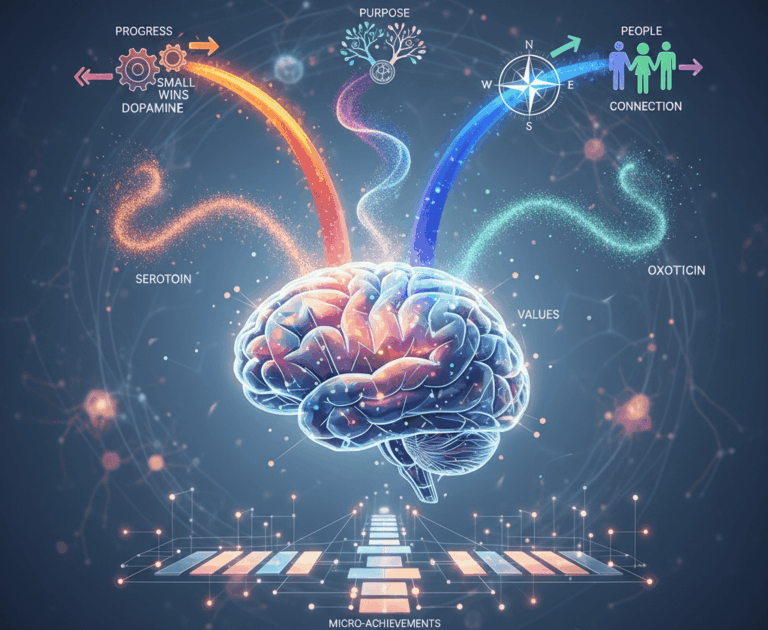
The Brain Behind MotivationMotivation isn’t magic – it’s chemistry. The brain releases dopamine when it anticipates progress, serotonin when it feels significance and oxytocin when it feels connection.EduGrowth integrates this science into its weekly activities and performance reflections.The 3 Levers of Motivation1. Progress: Small wins release dopamine – celebrate them.2. Purpose: Meaning releases serotonin –…
The Psychology of Decision-Making in Student Admissions
Why Students Don’t Decide – They Feel Their WayMost students don’t make admission decisions purely through logic – they make them emotionally and justify them rationally later. Understanding this is the first step to effective counselling.EduGrowth professionals are trained to listen beyond words – to identify the emotional triggers that shape a student’s choices.The 3…
Why People Don’t Buy Courses – They Buy Confidence
The Truth Behind Every “Yes”When students enrol, they’re not just buying a course. They’re buying belief in a better version of themselves.Your job as a counsellor is to help them see that possibility clearly.The Emotional Equation of SalesDecision = Emotion × CertaintyThe stronger the emotion and the higher the certainty, the faster the decision.That’s why…